Juice making · 4 min read
How fruit juice is made, from orchard to bag
The steps a fruit goes through in a juice plant: sorting, washing, pulping, blending, pasteurising and filling.
Published
A glass of juice at a breakfast buffet looks simple. Behind it is a short chain of steps, each one there to keep the flavour of the fruit and to make the drink safe to store and serve. The details differ from plant to plant and from fruit to fruit, but the order is much the same everywhere.
1. Receiving and sorting
Fruit arrives from farms and mandis in crates. It is weighed, checked for ripeness and sorted, usually by hand on a moving belt. Unripe, bruised or spoiled fruit is taken out here, because one bad lot can spoil the taste of a whole batch.
2. Washing
The fruit is washed in clean water, often in more than one stage, to remove soil, sap and field dust. Soft fruits such as strawberry and grape are handled gently; mango and pineapple can take brushes and sprays.
3. Getting the juice or pulp out
How this is done depends on the fruit. Mango and guava are peeled or cut and passed through a pulper, which pushes the flesh through a screen and leaves stone, skin and seeds behind. Grapes are destemmed and pressed. Pineapple is peeled, cored and crushed. A finer screen, called a finisher, then removes fibre and seed fragments to give an even texture.
4. Blending to a recipe
Raw pulp varies with the season and the farm. To make each batch taste the same, the plant measures sweetness and acidity and adjusts the blend with water, sugar and food acids as the recipe and food standards allow. This is also where two fruits are combined, for example grape with pineapple or lychee with guava.
5. Homogenising and removing air
Pulpy juices are forced through a narrow valve at pressure so that the fruit particles stay evenly spread and do not settle quickly. Air is drawn out under vacuum, since trapped oxygen dulls colour and flavour over time.
6. Pasteurising
The juice is heated for a short, controlled time, typically to somewhere around 85 to 95 °C for under a minute, and then held or cooled depending on the filling method. Most fruit juices are acidic, so this gentle heat step is enough to deal with the yeasts, moulds and bacteria that would otherwise spoil them.
7. Filling and sealing
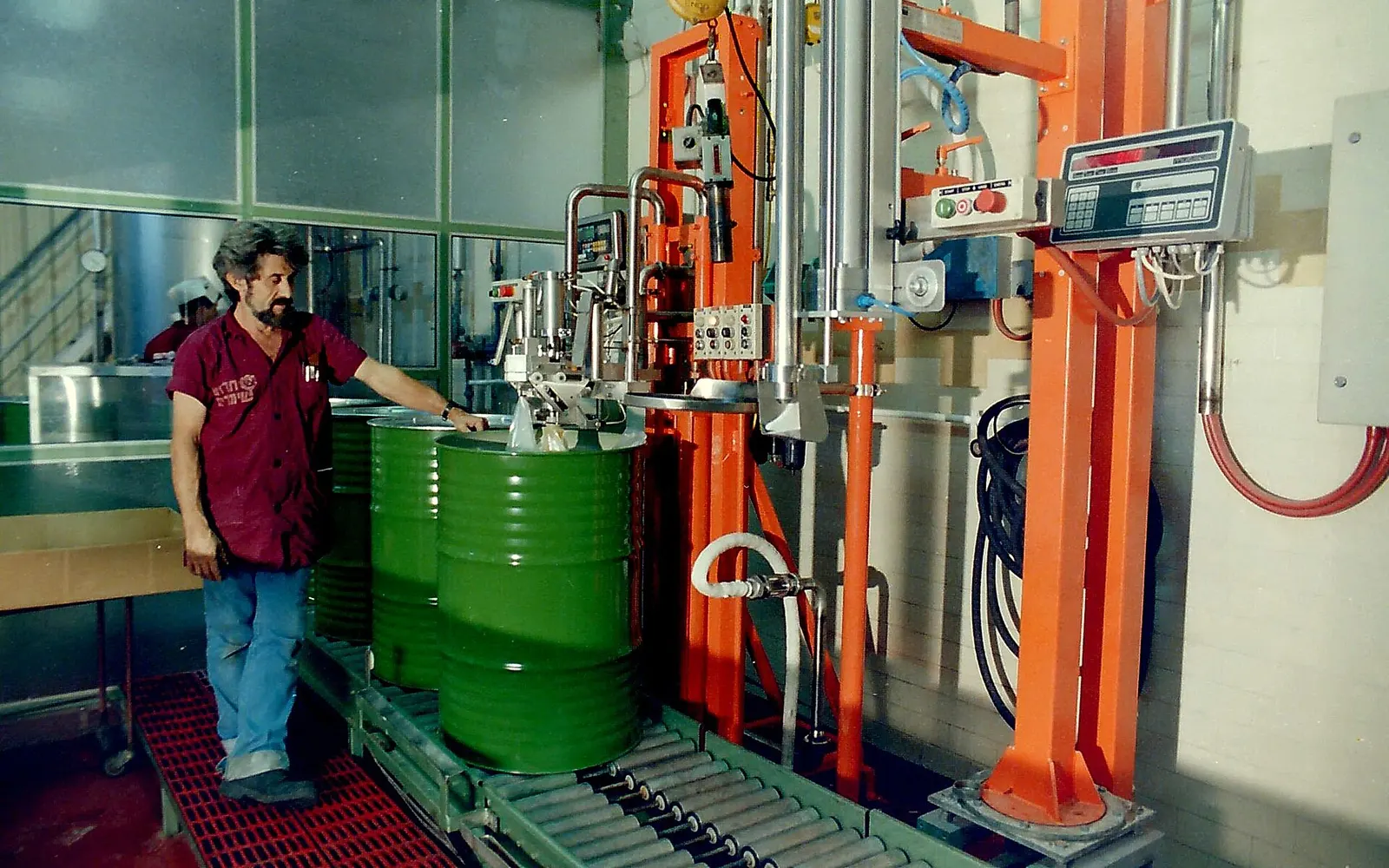
The juice goes into clean packs: bottles, cartons, or bags with a spout for kitchens that pour in volume. It is either filled hot, so that the juice itself sanitises the pack, or filled cold into a sterile pack in a sterile enclosure, which is known as aseptic filling. The pack is sealed straight away.
8. Cooling, coding and checks
Hot-filled packs are cooled, dried and marked with a batch code and date, so that every pack can be traced back to its production run. Samples from each batch are kept and tested for sweetness, acidity, taste and microbiology before the batch is released.
Where bulk juice fits
For hotels and caterers the last step matters most: the pack. Galafru supplies finished, ready-to-serve juice in 2.5 L bags. The bags are stored at room temperature, chilled before service and poured straight into jugs or dispensers, so the kitchen does no mixing.